During the opening decades of the 20th century, architecture and the decorative arts broke decisively away from the ornamental structures of the past. The Art Déco movement—which reached a definitive milestone at the landmark International Exhibition of Modern Decorative and Industrial Arts held in Paris in 1925—introduced clean lines, stepped geometries, sharp bevels, and an almost sacred devotion to symmetry.
That exact aesthetic revolution completely redefined wristwatch design. The major manufactures moved away from the undisputed hegemony of the round pocket watch to give way to legendary form watches, fusing the mathematics of the golden ratio with the functionality of the industrial age.
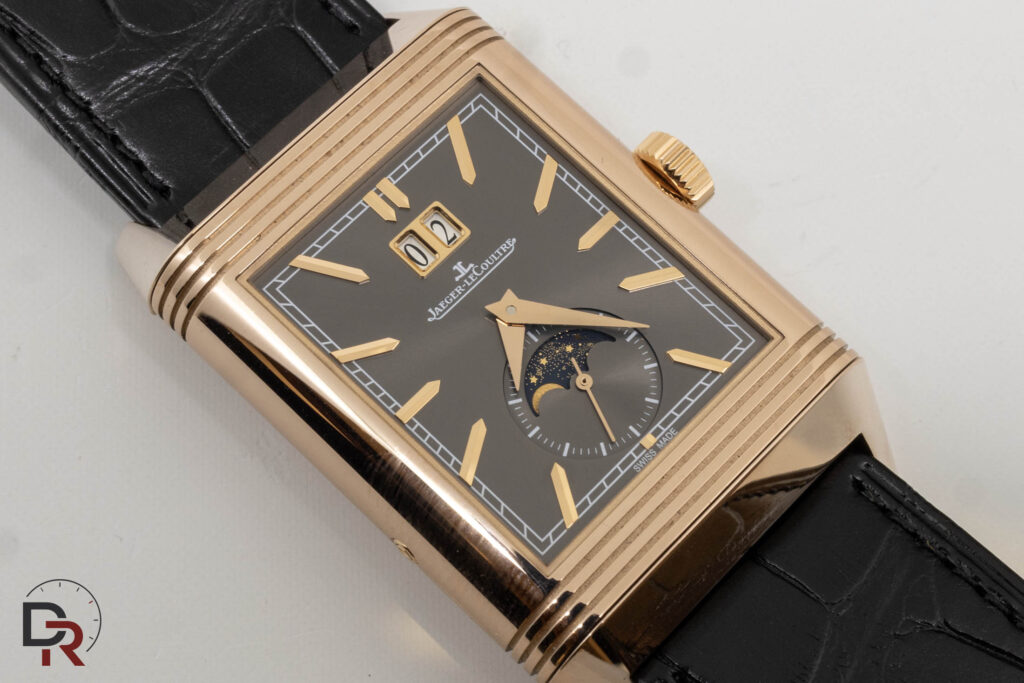
Jaeger-LeCoultre Reverso (1931): The Triumph of Sporting Engineering and Timeless Design
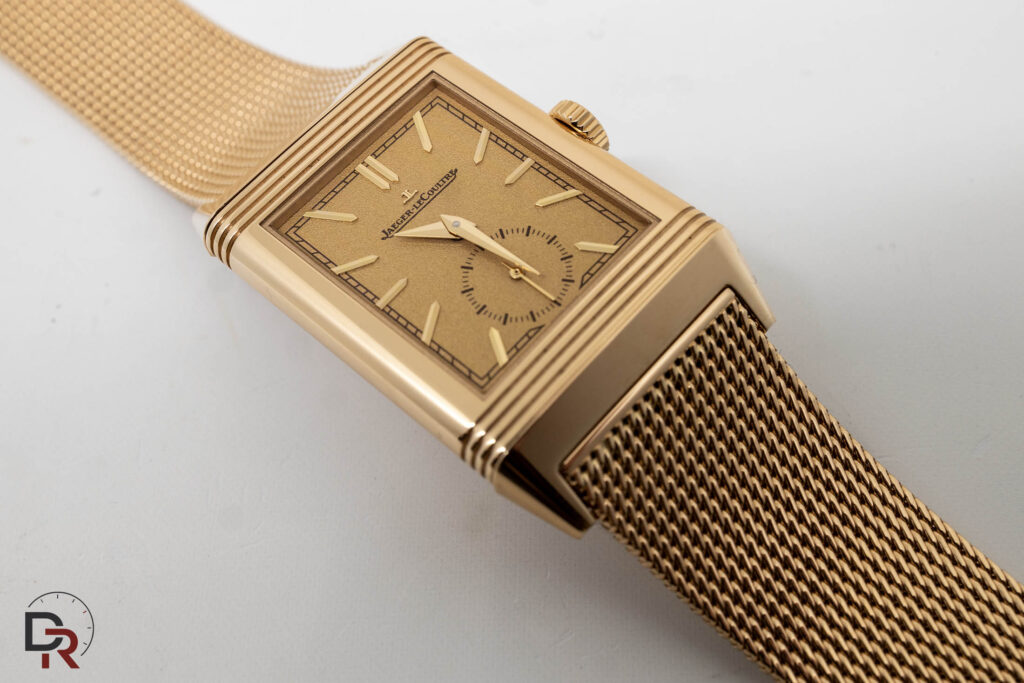
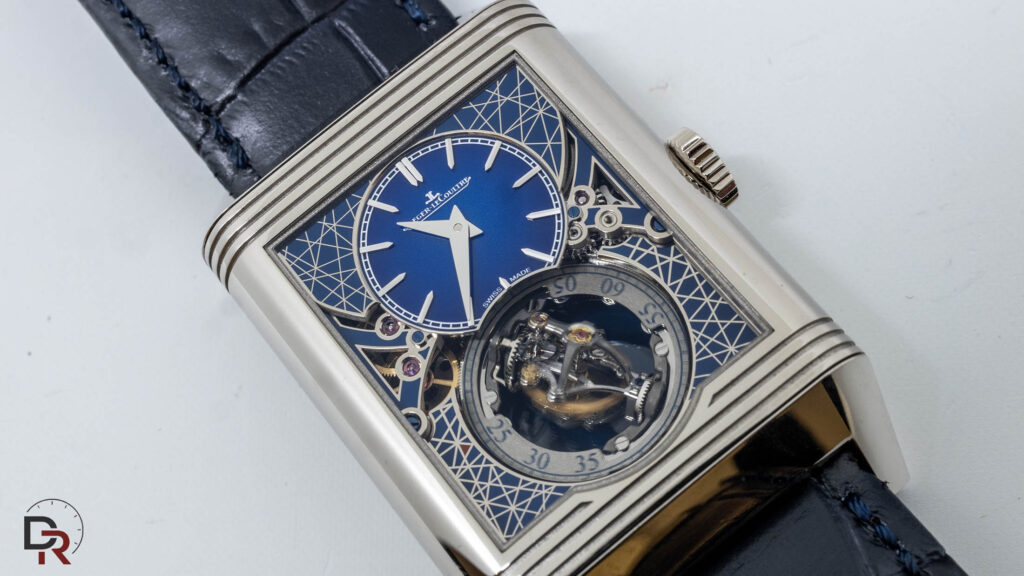
Born from a challenge issued by British officers on the polo fields of India—who needed a watch capable of withstanding the rigors and impacts of a match without shattering its crystal—entrepreneur César de Trey conceived the idea of a case capable of flipping over upon itself. With the collaboration of French industrial designer René-Alfred Chauvot (who patented the mechanism on March 4, 1931) and the technical backing of Jacques-David LeCoultre, an absolute icon was born.
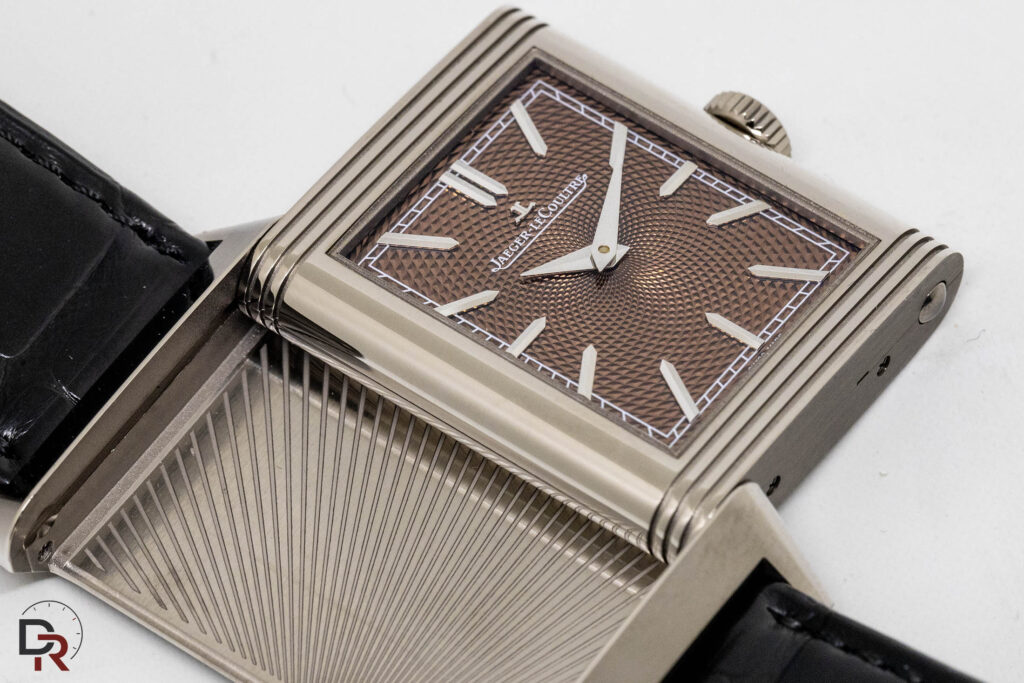
Beyond its ingenious 55-piece pivoting case and pioneering use of Staybrite corrosion-resistant steel, the Reverso stood out for tailoring its rectilinear calibers to its geometry, transforming its smooth metallic back into a blank canvas for the master enamelers and engravers of the Métiers Rares workshop. Over the decades, the Reverso evolved far beyond a single-style timepiece to accommodate over 50 different calibers—including tourbillons, minute repeaters, and perpetual calendars—solidifying its status as an undisputed masterpiece of 20th-century design.
2. The Fusion of Glass and Enamel: Lalique, Gallé, and the Métiers d’Art
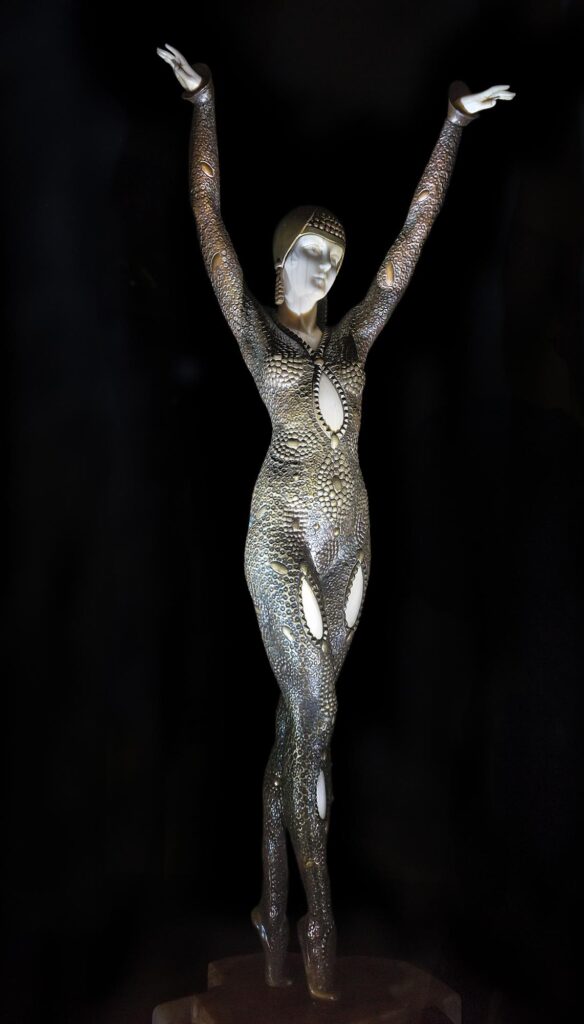
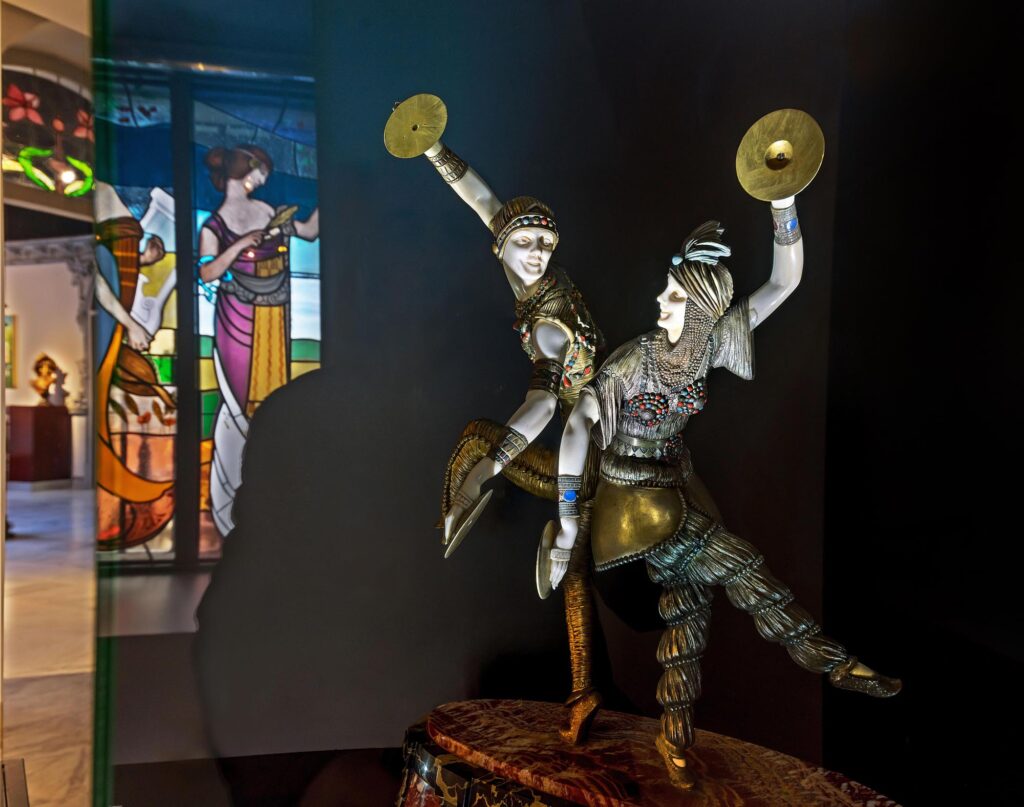
Casa Lis houses one of Europe’s most significant collections of glassware, chryselephantine sculptures, and enamel works. Pieces by masters such as René Lalique and Émile Gallé demonstrate how light transforms matter through the technique of pâte-de-verre and high-temperature glass fusion.
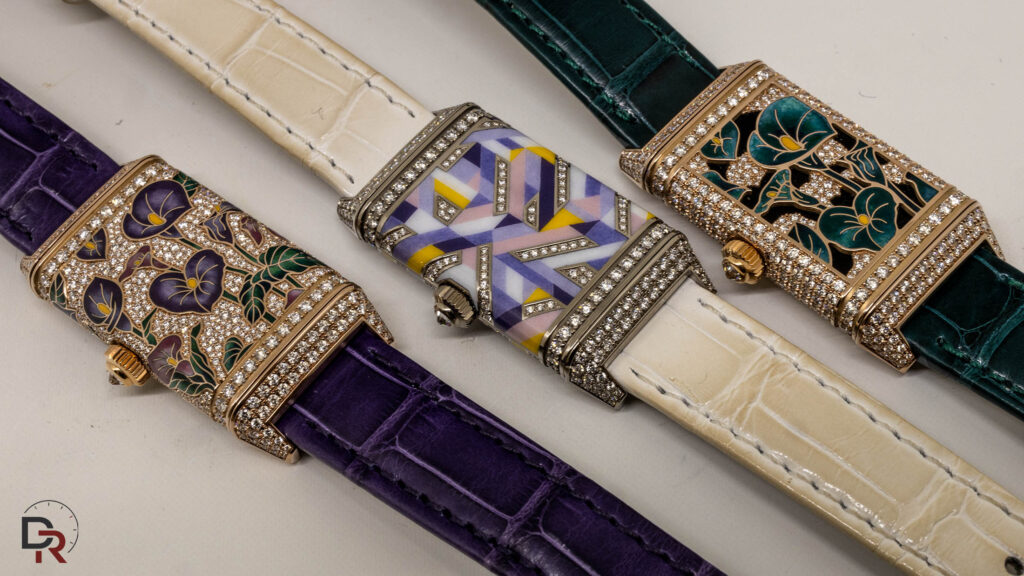
In haute horlogerie, the Métiers d’Art workshops (found in maisons such as Vacheron Constantin, Patek Philippe, and LeCoultre itself) employ these exact millennial formulas. Grand Feu enameling, Cloisonné, and Champlevé represent the very same artisanal pursuit: vitrifying silicates and pigments at high temperatures to create dials and reversible casebacks (such as the blank canvases of the Reverso decorated by master enamelers) designed to endure the passage of time unaltered.
3. Light as a Unit of Measure: Stained-Glass Windows and Sapphire Crystals
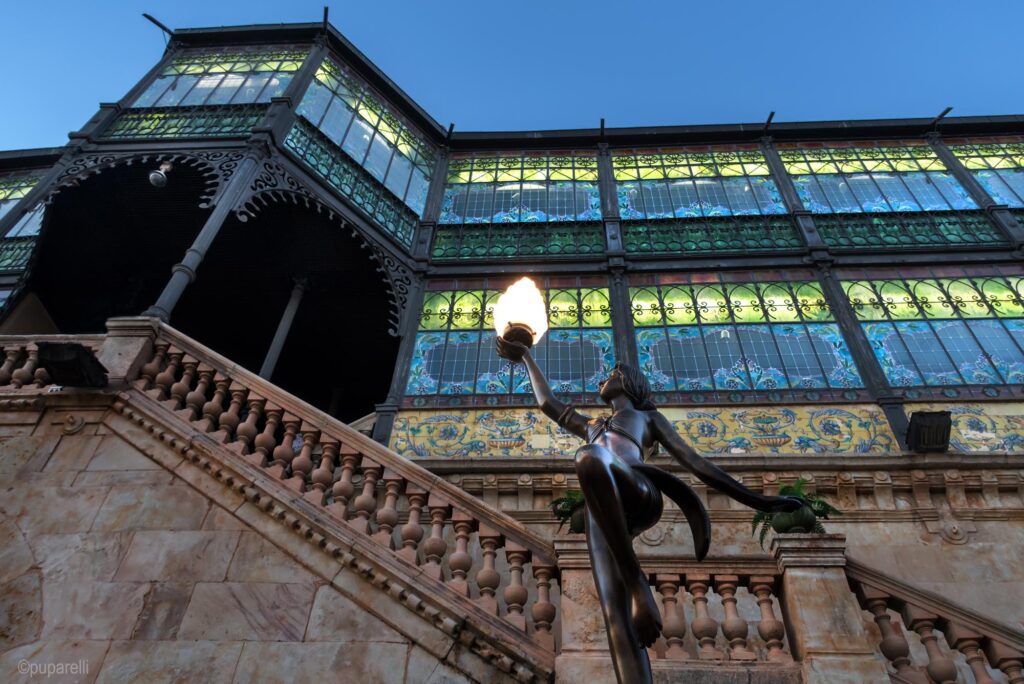
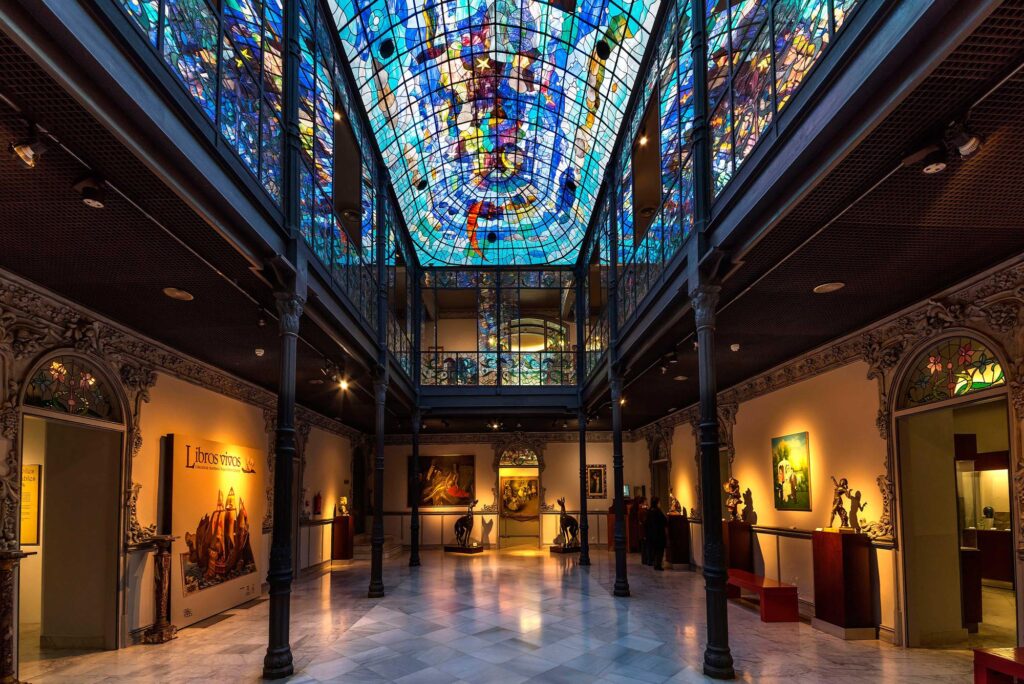
The beating heart of Casa Lis is its spectacular central courtyard sheltered beneath a stained-glass leaded ceiling. Depending on the time of day and the sun’s position, the space undergoes a complete transformation: natural light accentuates the reliefs of the sculptures and bronzes.
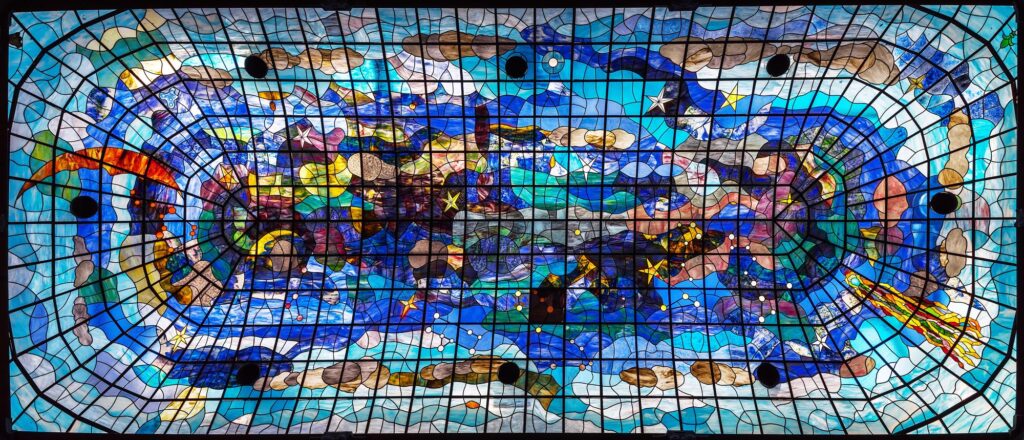
In parallel, horological technical photography and movement design rely entirely on light. Hand-beveled edges (anglage), mirror polishing, and Côtes de Genève stripes are conceived to catch and refract luminous glints upon the wrist. The sapphire crystal of a modern timepiece acts precisely like the museum’s stained-glass window: a transparent portal protecting and revealing the hidden artistry within.
Because, ultimately, whether through a centuries-old stained-glass window scattering midday light across the Tormes river or an escapement oscillating rhythmically within the darkness of a waterproof case, humanity has always sought the exact same thing: to defy time by building beauty.
“Haute horlogerie and the architecture of Casa Lis share a single purpose: freezing beauty into an object to make the passage of time endure.”
🏛️ Recommended Visit: Art Nouveau and Art Déco Museum (Casa Lis)
Practical Information & Hours
Location: C/ Gibraltar, 14, Salamanca.
Hours starting October 19: Monday to Friday from 11:00 AM to 5:00 PM; Saturdays from 11:00 AM to 8:00 PM; Sundays from 11:00 AM to 3:00 PM. Free admission on Thursdays from 11:00 AM to 2:00 PM.
Further details and official updates at www.museocasalis.org.
At first glance, an Art Nouveau and Art Déco museum in Salamanca and the manufacturing of a high-complication mechanical caliber belong to entirely different universes. Yet, upon closer inspection of the stained-glass windows of Casa Lis and the geometric finishes of an articulating watchcase, we discover a shared language: the absolute mastery of art, light, and symmetry.
1. The Golden Age of Form: From the Avant-Garde to the Wrist
During the opening decades of the 20th century, architecture and the decorative arts broke decisively away from the ornamental structures of the past. The Art Déco movement—which reached a definitive milestone at the landmark International Exhibition of Modern Decorative and Industrial Arts held in Paris in 1925—introduced clean lines, stepped geometries, sharp bevels, and an almost sacred devotion to symmetry.
That exact aesthetic revolution completely redefined wristwatch design. The major manufactures moved away from the undisputed hegemony of the round pocket watch to give way to legendary form watches, fusing the mathematics of the golden ratio with the functionality of the industrial age.
Jaeger-LeCoultre Reverso (1931): The Triumph of Sporting Engineering and Timeless Design
Born from a challenge issued by British officers on the polo fields of India—who needed a watch capable of withstanding the rigors and impacts of a match without shattering its crystal—entrepreneur César de Trey conceived the idea of a case capable of flipping over upon itself. With the collaboration of French industrial designer René-Alfred Chauvot (who patented the mechanism on March 4, 1931) and the technical backing of Jacques-David LeCoultre, an absolute icon was born.
Beyond its ingenious 55-piece pivoting case and pioneering use of Staybrite corrosion-resistant steel, the Reverso stood out for tailoring its rectilinear calibers to its geometry, transforming its smooth metallic back into a blank canvas for the master enamelers and engravers of the Métiers Rares workshop. Over the decades, the Reverso evolved far beyond a single-style timepiece to accommodate over 50 different calibers—including tourbillons, minute repeaters, and perpetual calendars—solidifying its status as an undisputed masterpiece of 20th-century design.
2. The Fusion of Glass and Enamel: Lalique, Gallé, and the Métiers d’Art
Casa Lis houses one of Europe’s most significant collections of glassware, chryselephantine sculptures, and enamel works. Pieces by masters such as René Lalique and Émile Gallé demonstrate how light transforms matter through the technique of pâte-de-verre and high-temperature glass fusion.
In haute horlogerie, the Métiers d’Art workshops (found in maisons such as Vacheron Constantin, Patek Philippe, and LeCoultre itself) employ these exact millennial formulas. Grand Feu enameling, Cloisonné, and Champlevé represent the very same artisanal pursuit: vitrifying silicates and pigments at high temperatures to create dials and reversible casebacks (such as the blank canvases of the Reverso decorated by master enamelers) designed to endure the passage of time unaltered.
3. Light as a Unit of Measure: Stained-Glass Windows and Sapphire Crystals
The beating heart of Casa Lis is its spectacular central courtyard sheltered beneath a stained-glass leaded ceiling. Depending on the time of day and the sun’s position, the space undergoes a complete transformation: natural light accentuates the reliefs of the sculptures and bronzes.
In parallel, horological technical photography and movement design rely entirely on light. Hand-beveled edges (anglage), mirror polishing, and Côtes de Genève stripes are conceived to catch and refract luminous glints upon the wrist. The sapphire crystal of a modern timepiece acts precisely like the museum’s stained-glass window: a transparent portal protecting and revealing the hidden artistry within.
Because, ultimately, whether through a centuries-old stained-glass window scattering midday light across the Tormes river or an escapement oscillating rhythmically within the darkness of a waterproof case, humanity has always sought the exact same thing: to defy time by building beauty.
“Haute horlogerie and the architecture of Casa Lis share a single purpose: freezing beauty into an object to make the passage of time endure.”
🏛️ Recommended Visit: Art Nouveau and Art Déco Museum (Casa Lis)
Practical Information & Hours
Location: C/ Gibraltar, 14, Salamanca.
Hours starting October 19: Monday to Friday from 11:00 AM to 5:00 PM; Saturdays from 11:00 AM to 8:00 PM; Sundays from 11:00 AM to 3:00 PM. Free admission on Thursdays from 11:00 AM to 2:00 PM.
Further details and official updates at www.museocasalis.org.